Roofing Resources and Help Guides

Welcome to the ERS Contractor Roofing Resource Hub. This page is designed to help homeowners and property managers understand key roofing topics so you can make confident decisions about your home, budget, and long‑term protection. Explore each section below, and dive deeper with our dedicated resource articles linked throughout.

Use these guides as a starting point, then reach out to our team whenever you are ready for a professional inspection, estimate, or second opinion.

When Your Insurance Settlement Feels Too Low

After a storm, it is common for homeowners to feel that the insurance settlement offer does not match the real cost of repairs. The process is confusing, the paperwork is technical, and it can be hard to know what is “fair.”

Here are some practical steps to take if you believe your settlement is too low:

  • Review your policy carefully. Look at your coverage limits, deductibles, exclusions, and whether your policy is Actual Cash Value (ACV) or Replacement Cost Value (RCV).
  • Compare the insurer’s scope of work with a roofer’s estimate. A detailed estimate from a qualified roofing contractor, such as our storm damage roof repair specialists, will list materials, labor, and code upgrades. Compare this to the insurance scope line by line.
  • Check for missed items. Underlayment, flashing, ventilation, decking repairs, and code-required upgrades are often underestimated or left out.
  • Document everything. Take clear photos, note dates of storms, keep copies of adjuster reports, estimates, and all communication.

For a deeper look at how the homeowners insurance claims payment process works, you can review this overview of the homeowners insurance claims payment process from the Insurance Information Institute.

If you feel stuck, our insurance claims assistance team can help you compare the scope of work, estimate repairs, and prepare documentation to support your claim.

This guide is not legal advice, but a roadmap to help you have better conversations with both your roofing contractor and your insurance adjuster so the final scope more accurately reflects what your roof really needs.
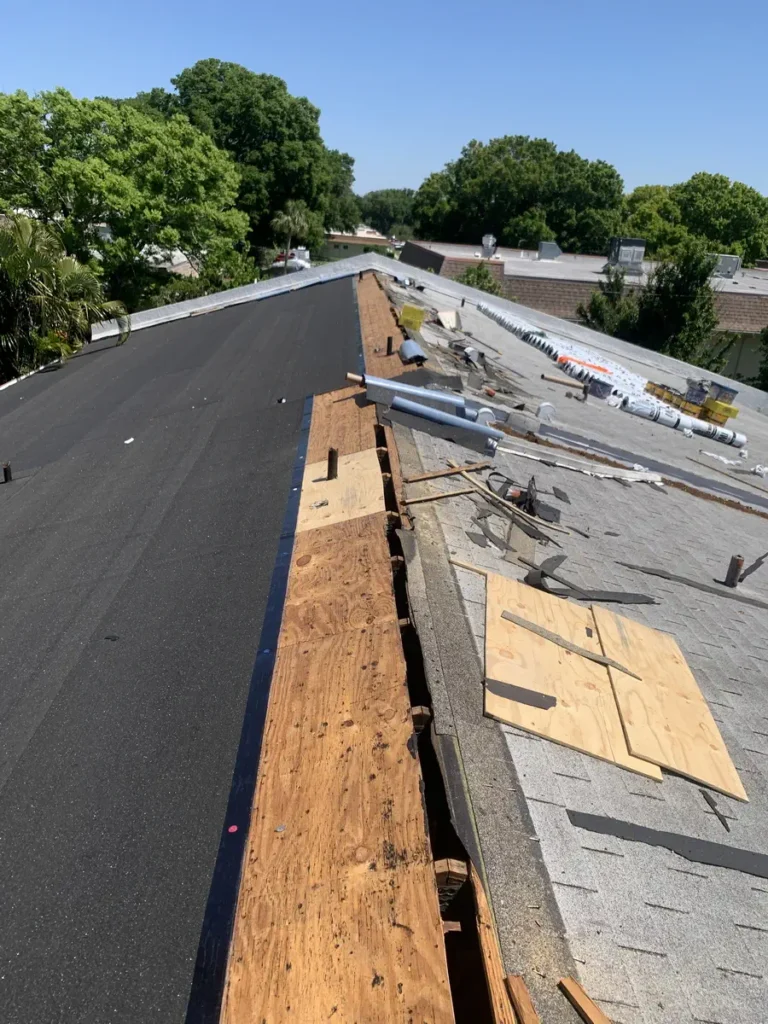
How to Choose the Right Roofing Contractor

Get our checklist in the full guide: choosing contractors.

The contractor you choose is just as important as the materials on your roof. A good roof, installed badly, will fail long before its time. When comparing roofing companies, look beyond the price and pay attention to:

  • Licensing and insurance. Make sure the contractor holds the proper state or local license and carries liability and workers’ compensation insurance.
  • Local presence. Prefer companies with an established local office, online reviews, and a track record in your area rather than temporary storm chasers.
  • Written, detailed estimates. A one-line price is not enough. A professional estimate explains the scope of work, materials, warranties, and timeline.
  • Manufacturer certifications. Many top shingle and metal manufacturers certify contractors who meet training and quality standards.
  • Communication and professionalism. Do they explain your options clearly? Do they show up on time, answer questions, and provide everything in writing?

Start by looking at their core services. A page like our roofing services overview should clearly outline what they do and where they work.

Before you sign anything:

  • Ask for references and recent local jobs you can drive by.
  • Confirm who will be on your roof: employees, subcontractors, or a mix.
  • Make sure you understand how payment will work and what happens if extra repairs are needed once the old roof is torn off.

Ask to see photos on a recent project gallery and read reviews on a dedicated testimonials page. Choosing the right contractor gives you more than a new roof. It gives you peace of mind that the job is done correctly and backed by real people who will still be around if you ever need help.

How to Avoid Roofing Scams After a Storm

Read the prevention guide: avoiding roofing scams.

Unfortunately, storms attract roofing scams. High-pressure sales tactics, door-to-door “inspectors,” and too-good-to-be-true offers can leave homeowners with poor workmanship or even unfinished jobs.

Common red flags to watch for:

  • Unsolicited knock on the door after a storm promising a free roof regardless of damage.
  • Requests to sign paperwork on the spot before you have seen a detailed scope or estimate.
  • “We will cover your deductible” promises that may be illegal or violate insurance rules.
  • No local references or physical office, just a cell phone and a pickup truck with temporary signs.
  • Pressure to sign over your insurance benefits or to use the contractor’s “preferred adjuster” without your input.

To protect yourself:

  • Get at least two or three written estimates from reputable local roofing companies.
  • Check licenses, insurance, and online reviews.
  • Read contracts slowly and look for clauses about deposits, change orders, and cancellation.
  • Never sign blank forms or documents you do not fully understand.

When in doubt, step back, do more research, and reach out directly to trusted local pros instead of responding to high-pressure pitches that arrive at your door right after a storm.

A legitimate roofing contractor will welcome your questions, encourage you to compare options, and provide everything in writing without pressure.

Get a Free Quote

Don’t wait for a small leak to become a major problem or for storm damage to escalate. Contact us today to schedule a free roof inspection and estimate. We’ll provide honest advice, clear pricing, and get you back on solid roofing ground.

Years in Business
0 +
Rated 5 out of 5

Understanding Roof Replacement Costs

See typical line items and budgeting tips in: replacement costs.

Roof replacement cost is influenced by many factors. When you see prices online, remember that they are general averages and not tailored to your home. Your final number will depend on:

  • Roof size and complexity. Larger roofs, multiple levels, dormers, and steep pitches require more material and labor.
  • Existing material and tear-off. Removing multiple layers of old roofing, or heavy materials like tile, adds to the cost.
  • Decking condition. If the wood sheathing under your shingles is rotten, warped, or not up to code, it may need partial replacement.
  • Material you choose. Basic 3-tab shingles, architectural shingles, tile, and metal roofing all have different price ranges and lifespans.
  • Ventilation and accessories. Ridge vents, box vents, new flashing, pipe boots, and drip edge are essential, not “extras.”
  • Local building codes. Your city or county may require specific underlayment, fasteners, or wind ratings that affect price.

When you receive a roof replacement estimate, look for:

  • A clear breakdown of materials and labor.
  • Details about warranties for both products and workmanship.
  • Notes on permit fees, cleanup, and haul-away of debris.

It can help to compare your estimate with information on your contractor’s roof replacement options and new roof installation pages so you can see how the proposed scope fits into the bigger picture of your home improvement plans.

A good roofing company will help you balance cost, durability, and curb appeal so your investment makes sense for your home and long-term plans.

Comparing the Best Roofing Materials

Compare pros and cons in our article: best roofing materials.

There is no single “best” roofing material for every home. The right choice depends on your budget, style preferences, neighborhood guidelines, and how long you plan to stay in the home.

Here are some of the most common options:

Asphalt Shingles

  • Most widely used residential roofing material.
  • Available in many colors and profiles.
  • Good balance of cost, durability, and appearance.
  • Typically easier and faster to install and repair.

For many homes, asphalt shingle roofing offers a practical mix of affordability and curb appeal, especially when paired with proper attic ventilation and underlayment.

Metal Roofing

  • Strong performance in high-wind and storm-prone areas.
  • Long lifespan when properly installed and maintained.
  • Reflective coatings can help with energy efficiency.
  • Available in standing seam panels or metal shingles.

If you are considering upgrading to metal roofing systems, talk with your contractor about panel profiles, fastener types, and coatings that are best suited for your climate.

Tile Roofing

  • Excellent durability and classic appearance on many Florida-style homes.
  • Heavier than other materials, so the structure must be engineered to support the weight.
  • High resistance to fire, insects, and rot.

Flat and Low-Slope Systems

  • For flat or low-slope sections, materials like TPO, PVC, and modified bitumen are often used.
  • Proper installation and drainage are critical to avoid ponding water and leaks.

When you compare materials, consider:

  • Expected lifespan.
  • Wind and impact resistance ratings.
  • Energy efficiency and potential savings on cooling.
  • Warranty coverage and maintenance needs.

Your roofing contractor can walk you through product samples, photos of completed projects, and pros and cons of each option for your specific property. Federal agencies such as FEMA also publish technical guidance, like the FEMA roof systems fact sheet for sloped roofs, that highlights best practices for resilient construction in storm-prone regions.

Roof Maintenance Guide

Follow the step‑by‑step checklist: maintenance guide.

Regular maintenance is the simplest way to extend the life of your roof and catch small issues before they turn into major leaks.

Seasonal Checklist

  • Spring: Check for storm damage, loose shingles, clogged gutters, and debris in valleys.
  • Summer: Look for signs of heat damage such as blistering shingles and ensure attic ventilation is working properly.
  • Fall: Clear leaves from gutters and roof surfaces and check for any loose flashing or seals before winter storms.
  • After major storms: Schedule a professional inspection even if you do not see obvious damage from the ground.

Simple Maintenance Tips

  • Keep gutters and downspouts clear so water can flow away from your roof and foundation.
  • Trim back branches that touch or overhang your roof to prevent damage and excess debris.
  • Watch for interior warning signs like water stains on ceilings, peeling paint, or musty odors in the attic.
  • Do not pressure wash your roof unless the manufacturer explicitly allows it, since this can damage shingles and void warranties.

A scheduled inspection and maintenance plan with a trusted roofing contractor can help document roof condition for future insurance claims and support warranty coverage. Many homeowners choose to set up routine roof maintenance and schedule a detailed roof inspection after big storms so small issues are addressed before they turn into leaks.

Roofing Financing Options

Compare payment paths in our explainer: financing options.

A new roof is a major investment, but there are several ways to manage the cost without cutting corners on quality.

Common financing paths include:

  • Cash or savings. Paying upfront avoids interest and keeps the project simple.
  • Home improvement loans. Banks and credit unions often offer unsecured loans specifically for home projects.
  • Home equity options. Home equity loans or lines of credit may provide lower interest rates, but they use your home as collateral.
  • In-house financing. Many roofing companies partner with financing providers so you can apply for payment plans directly through the contractor.

When comparing financing options:

  • Look at the total cost, not just the monthly payment.
  • Check interest rates, fees, and any prepayment penalties.
  • Make sure you understand how long the promotional terms last if there is a low introductory rate.

A quality roofing job should improve your home’s protection and value for many years. Align your financing choice with your budget, future plans, and comfort level with risk.

Benefits of Metal Roofing

See real‑world pros and cons: metal roof benefits.

Metal roofing has become an increasingly popular choice for both homes and commercial buildings, especially in areas that experience strong winds and severe storms.

Key benefits include:

  • Durability. Metal roofs are designed to withstand high winds, heavy rain, and hail better than many traditional materials when properly installed.
  • Long lifespan. A metal roof can last several decades with routine maintenance, reducing the need for frequent replacements.
  • Energy efficiency. Many metal roofing systems have reflective coatings that help reduce heat absorption and may lower cooling costs.
  • Low maintenance. Metal roofs typically require less ongoing maintenance than some other options, though inspections are still important.
  • Style flexibility. Modern metal roofing comes in a variety of colors, finishes, and profiles that can complement many architectural styles.

Things to consider with metal roofing:

  • Initial cost is often higher than standard asphalt shingles, although total lifetime cost may be lower.
  • Proper installation is crucial. The right fasteners, underlayment, and flashing details make a big difference.
  • Some communities or homeowner associations may have guidelines that affect your material and color choices.

If you are planning a long-term investment in your property and want a roof that is built to handle tough weather, metal roofing is worth serious consideration.

Ready to Protect Your Tampa Bay Roof Today?

Ready for an honest, high-quality roofing partner in the Tampa Bay region? Contact ERS Roof Repair today at 813-808-7663 or visit our contact page to schedule your free inspection. Don’t wait until the next heavy storm hits; let us protect your roof and your investment.